Discover Florida Nature
It's time to explore the natural Florida

 Florida
Nature: Indian Key Florida Florida
Nature: Indian Key Florida |
|
|
|
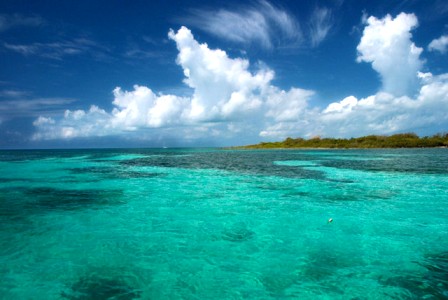 Indian
Key State Historic Site is an island within the Florida State Park
system located just a few hundred yards southeast of U.S. 1 within the
Florida Keys. The island was briefly inhabited in the middle of the 19th
century, but is now an uninhabited ghost town. It is frequently visited
by tourists, and is the subject of an archaeological project to uncover
the historic building foundations. Accessible only by canoe or kayak,
visitors come here to swim, sunbathe, and hike. Fishing is also a
popular activity. Indian
Key State Historic Site is an island within the Florida State Park
system located just a few hundred yards southeast of U.S. 1 within the
Florida Keys. The island was briefly inhabited in the middle of the 19th
century, but is now an uninhabited ghost town. It is frequently visited
by tourists, and is the subject of an archaeological project to uncover
the historic building foundations. Accessible only by canoe or kayak,
visitors come here to swim, sunbathe, and hike. Fishing is also a
popular activity. Indian Key is located about three-fourths of a mile in a southeasterly direction from the north shore of Lower Matecumbe Key. Only slightly more than 10 acres in size and separated from the Overseas Highway by open water, it hardly looks like a place of historic significance. Yet Indian Key has had a colorful past which is very much a part of early Florida history. It dates from the time of prehistoric Indians to the 1830s, when this small key was the seat of newly created Dade County. The foundations of buildings and cisterns on the island date back to this prosperous time. Visitors can access Indian Key island by canoe or kayak. We recommend renting a kayak Robbie's Kayak shop. Kayaks and canoes can float across most flats, offering spectacular chances to see a variety of wildlife from dolphins and manatees to sharks and rays. Scuba diving and snorkeling are permitted in the surrounding offshore waters. A 'Diver-Down' flag is required by law and must be displayed at all times. if you are looking for the perfect spot to view Floridian nature, you find a wide array of birds, fish, and other small animals at Indian Key. The island is very secluded and gives you the feel of going back in time! It is truly Floridian nature at its best! Anglers can fish for a variety of species from Bonefish on the flats, to Tarpon in the channels. Snapper, Spanish mackerel and snook are also found in the area. When Ponce de Leon discovered Florida in 1513, he found a quick way for Spanish vessels to return home with their cargo of treasure taken from the Maya, Inca and Aztec empires: the Straits of Florida and the Gulf Stream. It was a dangerous route for the cumbersome Spanish sailing vessels because of the coral reefs lining the south Florida coast and the constant threat of hurricanes. At the time, hostile Calusa Indians lived in the Keys. They became the first to profit from vessels wrecked on the offshore reefs. By the time of the brief English occupation of Florida starting in 1763, however, the Calusas had disappeared from the Keys 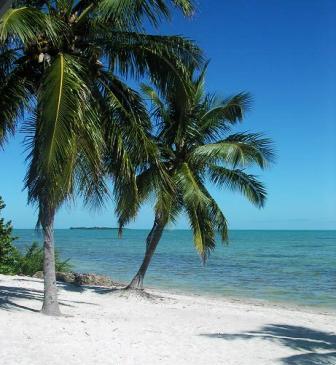 Key
West was the main wrecking station in south Florida and became a wealthy
community from the profits of salvage. The monopoly of Key West was
challenged by a man named Jacob Housman. Having arrived from Staten
Island in one of his father’s ships which he "borrowed," he found
wrecking to his taste. After disagreements with the Key West
establishment, which accused him of various shady business maneuvers, he
thought it best to own his own wrecking station. Key
West was the main wrecking station in south Florida and became a wealthy
community from the profits of salvage. The monopoly of Key West was
challenged by a man named Jacob Housman. Having arrived from Staten
Island in one of his father’s ships which he "borrowed," he found
wrecking to his taste. After disagreements with the Key West
establishment, which accused him of various shady business maneuvers, he
thought it best to own his own wrecking station.The strategic location of Indian Key, nearby fresh water on Matecumbe and proximity to the most dangerous reefs, made it ideal for Housman’s plans. He bought the island in 1831 and began to build his own small empire. This included a thriving store, hotel and dwellings with cisterns, as well as warehouses and wharves. Housman turned Indian Key into a busy port with 40 to 50 permanent inhabitants. He even brought soil to the rocky island and landscaped it with tropical plants. Housman’s profits from his business ventures and wrecking were substantial. Eventually, there were more disputes with the Key West delegation, who again accused him of illegal conduct as a wrecker. In an effort to make his island independent of Key West, he had the Legislative Council establish Dade County in 1836, with Indian Key as the county seat. In spite of this success Housman’s fortunes began to decline. He lost numerous court battles and eventually his wrecker’s license. At the outbreak of the Second Seminole War in 1835, he also lost his Indian trade, and eventually his life, when Seminoles attacked the Island. |
|
|
Indian Key Florida
Indian Key State Historic Site is an island within the Florida State Park system located just a few hundred yards southeast of U.S. 1 within the Florida Keys. Indian Key is easily accessible by kayak or boat from U.S. Highway 1. The perimeter of the island provides one of the few nearshore areas for snorkelers to view coral, not to mention the array of wildlife in and out of the water.
Visitors may currently access Indian Key island by canoe or kayak. We recommend renting a kayak
from Robbie's Kayak shop. Kayaks and canoes can float across most flats,
offering spectacular chances to see a variety of wildlife from dolphins and
manatees to sharks and rays. Scuba diving and snorkeling are permitted in the surrounding offshore waters. A 'Diver-Down' flag is required by law and must be displayed at all times. if you are look to view Floridian nature, you find a wide array of birds, fish, and other small animals. The island is very secluded and gives you the feel of going back in time! It is truly Floridian nature at its best!
Written by: Floridian Nature
Indian Key
Date published: 10/23/2013
5 / 5 stars
|
|